Range Hood Repair

Fixing a Range Hood Not Venting Properly in NYC

Learn why your range hood has weak suction and how to restore proper venting in your NYC kitchen. Expert troubleshooting for smoke and odors.

4 min read
A gas range burner clicking without lighting — Fixing a Range Hood Not Venting Properly in NYC, inspected by an Appliance Flix factory-trained technician in New York City

A home chef in a compact Manhattan apartment prepares a seared steak, but within minutes, the kitchen is thick with blue smoke. Despite the fan running on its highest setting, the air remains stagnant, and the smell of grease begins to settle into the living room furniture. This scenario is common in high-density New York City living where ventilation systems face heavy use and unique structural challenges.

Is the fan motor failing, or is there a blockage in the building's ductwork? Why does the suction feel significantly weaker than it did a year ago? Can a professional cleaning solve the problem, or is a component replacement necessary?

A range hood not venting properly is typically caused by saturated grease filters, obstructed ductwork, or a failing blower motor that can no longer overcome static pressure.

Understanding Weak Suction and Airflow Resistance

When a hood fan has weak suction, the issue often lies in the resistance the air faces as it tries to exit the building. In NYC apartments, range hoods may be vented to the outside through complex duct runs, or they may be ductless (recirculating) models that rely entirely on filtration.

If you have a ducted system, the air must travel through a series of pipes to an exterior wall or roof cap. Any obstruction in this path—such as a stuck damper, bird nesting, or accumulated grease—creates backpressure. This forces the motor to work harder while moving less air. If you notice the fan sounds louder than usual but isn't pulling smoke, the motor may be straining against a blockage.

For residents requiring professional assistance, our technicians provide range hood repair across all five boroughs, ensuring the exhaust path is clear and functional.

The Role of Grease Filters and Carbon Inserts

The most frequent cause of a range hood not venting is also the simplest: dirty filters. Mesh or baffle filters are designed to trap airborne grease before it enters the ductwork. Over time, these filters become saturated, creating a solid barrier that air cannot penetrate.

In ductless configurations, there is an additional charcoal filter designed to neutralize odors. Unlike mesh filters, which can often be cleaned, charcoal filters must be replaced every 3 to 6 months depending on cooking frequency. If these are clogged, the air will simply bounce off the filter and blow back into the kitchen from the sides of the unit.

Before investigating mechanical failures, remove the filters and attempt to run the fan. If the suction improves immediately, the filters are the culprit. Regular maintenance is essential to prevent grease from migrating into the motor housing, which can lead to premature failure.

Mechanical Failures and Motor Issues

If the filters are clean and the ducts are clear, the issue likely resides in the blower assembly. Range hood motors can fail in several ways. The bearings may wear out, causing the fan to spin slowly or emit a grinding noise. Alternatively, the capacitor—which helps the motor start and maintain speed—may fail, leading to a fan that hums but does not rotate.

In some cases, the fan blade (impeller) itself may be the problem. If grease builds up unevenly on the blades, it can cause an imbalance that vibrates the entire unit and reduces aerodynamic efficiency. In extreme cases, the plastic blades can crack or become loose on the motor shaft.

Safety Warning: Before inspecting the motor or internal wiring, you must shut off the power at the circuit breaker. High-voltage components and sharp metal edges inside the housing pose a significant risk of injury. If you are uncomfortable working with electrical connections, stop and call a professional.

Repair vs. Replacement Decision Framework

Deciding whether to repair your existing unit or invest in a new one depends on the age of the appliance and the nature of the fault. Consider these factors:

  • Age of the Unit: If the hood is over 10 years old and requires a new motor, replacement is often more cost-effective.
  • Type of Hood: High-end professional brands like Wolf or Viking are almost always worth repairing due to their high initial cost and superior build quality.
  • Ductwork Integrity: If the problem is related to building-wide ductwork in a NYC high-rise, replacing the hood itself will not solve the issue. You must ensure the exhaust path is clear first.
  • Performance Needs: If you have upgraded to a high-BTU gas range, your old hood may simply be underpowered for the heat and smoke output.

Restoring Air Quality in Your NYC Kitchen

Maintaining a functional ventilation system is about more than just removing odors; it is a matter of indoor air quality and fire safety. Accumulated grease in a non-functioning hood is a significant fire hazard.

If you are struggling with a range hood not venting, Appliance Flix offers expert appliance repair in NYC to diagnose and fix the problem. Our factory-trained technicians serve Brooklyn, Manhattan, and Queens, bringing the tools necessary to test motor draws and clear obstructions.

To schedule a service visit for your kitchen ventilation, contact Appliance Flix at 929-846-8075. We are located at 214 41st Street, Brooklyn, NY 11232, and are ready to help you clear the air in your home.

Need Your Appliance Repaired?

Schedule your service today and get your appliances back to perfect working condition.

Schedule Service Now
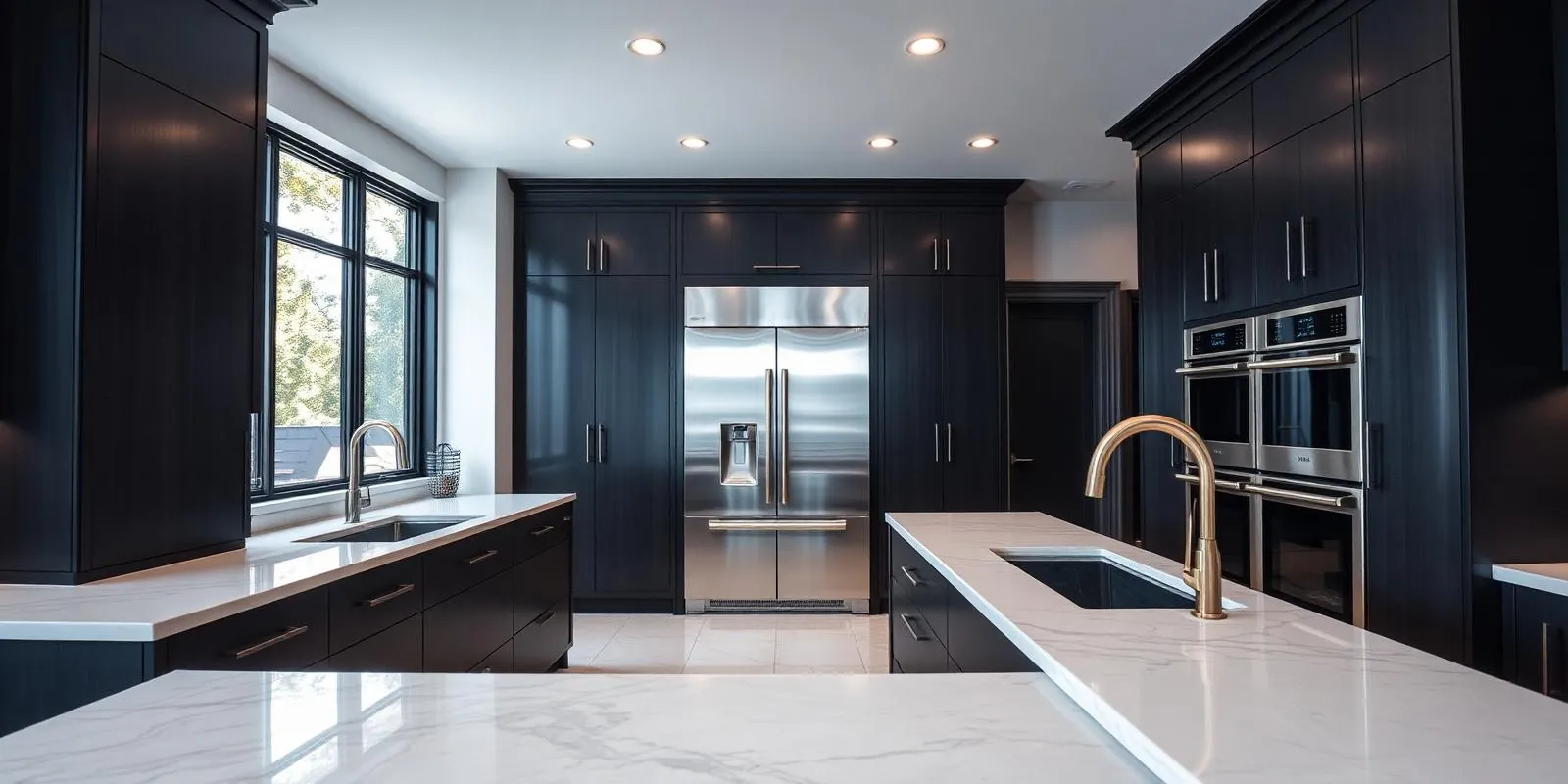
Luxury kitchen