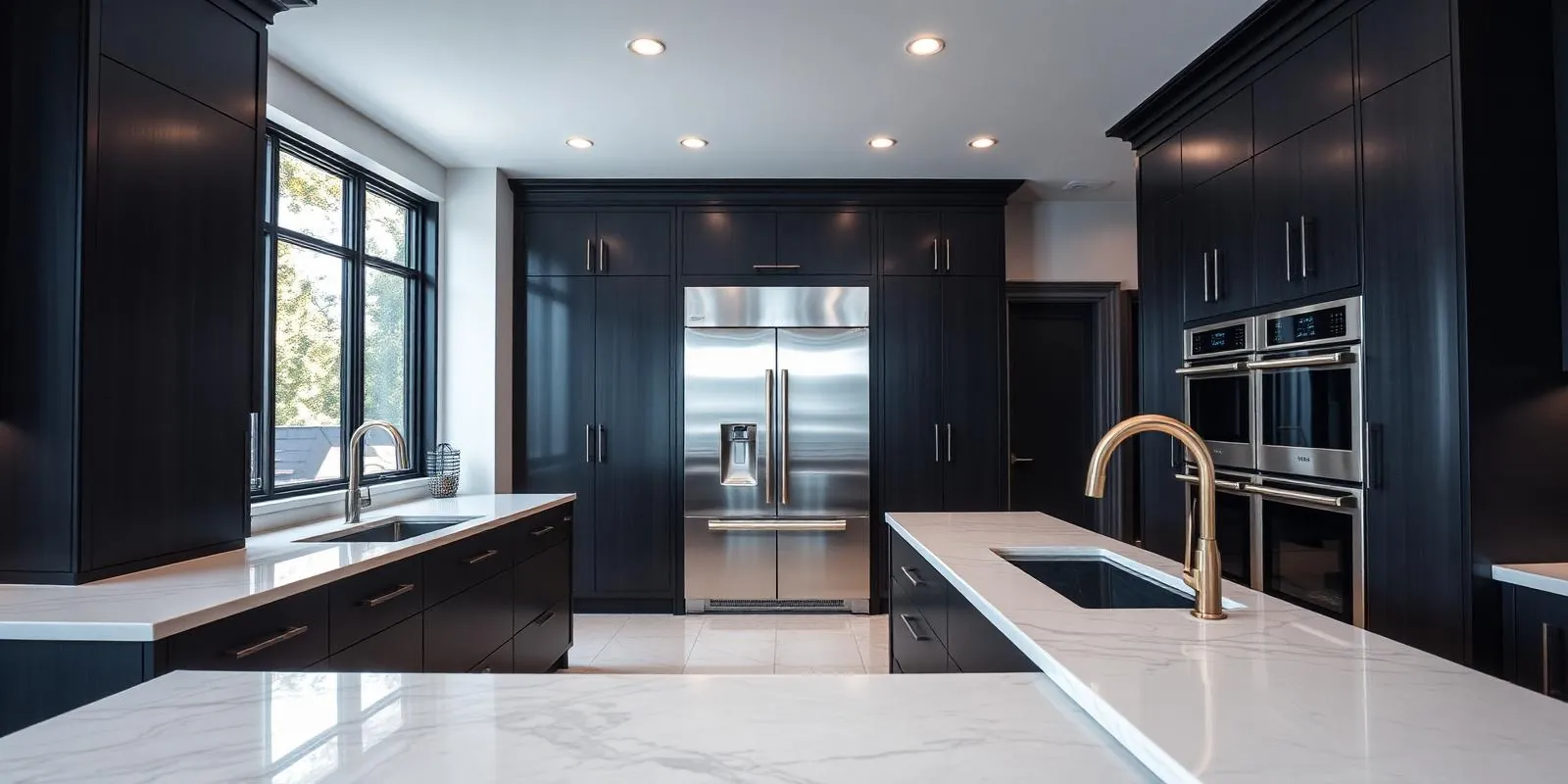
Imagine finishing a self-clean cycle or a high-heat roasting session in your Manhattan apartment, only to find the heavy stainless steel door of your Wolf oven refuses to budge. The unit has been off for hours, the exterior is cool to the touch, yet the electronic lock remains engaged. For a home chef relying on professional-grade equipment, this transition from a high-performance tool to a locked box is both frustrating and disruptive to the kitchen workflow.
You are likely asking: Why hasn't the locking pin retracted if the temperature is safe? Is there a way to force the door open without damaging the porcelain lining or the latch mechanism? Does this indicate a failure of the control board or the motor itself?
A Wolf oven door that remains locked after the unit has cooled is typically the result of a misaligned motorized latch assembly, a faulty cooling fan sensor, or a communication error within the electronic control system.
The Role of the Motorized Latch Assembly
Wolf ovens utilize a motorized door lock assembly designed as a safety feature, primarily for the self-clean cycle. During this cycle, internal temperatures reach levels that could be hazardous if the door were opened. The motor drives a cam that pushes a hook or bolt into a strike plate. When the cycle ends and the oven cools below a specific threshold—usually around 300°F to 500°F depending on the specific model—the motor is supposed to reverse the cam and retract the hook.
In many cases where the door remains locked, the motor has either burnt out at the end of its travel or the microswitches that tell the oven the door is 'locked' or 'unlocked' have failed. If the control board does not receive a signal from the microswitch that the latch has reached the home position, it may keep the 'Lock' icon illuminated and prevent further operation. This is a common point of failure in high-heat environments where plastic components or delicate switch contacts are stressed over time.
Temperature Sensors and Cooling Logic
The oven's logic is dictate by the Oven Temperature Sensor (RTD). If this sensor is drifting or has failed, it may report to the control board that the oven is still at a dangerous temperature, even if the cavity is physically cool. Consequently, the board will not send the voltage required to the latch motor to release the door.
Furthermore, Wolf units rely on cooling fans to protect internal electronics. If the cooling fan fails to run or the thermal TOC (Thermal Overload Cutout) has tripped, the system may enter a lockout state as a protective measure. In these instances, the oven and range repair process involves testing the resistance of the temperature sensor and ensuring the cooling circuit is completing its path to the control module.
Electronic Control Board Glitches in NYC Environments
NYC apartments often experience power fluctuations or brief surges that can scramble the logic of a high-end appliance's control board. If the board 'hangs' at the end of a cycle, it may fail to initiate the unlock sequence. Sometimes, a hard reset can clear this logic error.
Safety Warning: Before attempting any reset, ensure the oven is not emitting any unusual smells. If you ever smell gas in your kitchen, immediately leave the premises and call the gas utility or 911 from a safe location outside. Do not touch any electrical switches or the appliance itself.
For an electronic glitch, you can attempt to trip the dedicated circuit breaker for the oven in your electrical panel. Leave the power off for at least 60 seconds before flipping it back on. This may force the control board to re-calibrate and attempt to cycle the latch motor. If the motor groans but the door stays shut, the issue is likely mechanical rather than electronic.
Decision Framework: When to Call for Professional Service
If the door remains shut after a power reset and the unit is completely cool, you should not attempt to pry the door open. Wolf ovens use high-density gaskets and precise alignments; prying can bend the hinges or shatter the triple-pane glass.
Consider the following checklist to determine your next steps:
- Check the Display: Is the 'Lock' or 'Clean' light still flashing? A flashing light often indicates a motor that is stuck between positions.
- Identify the Sound: When you turn the power back on, do you hear a motorized whirring? If you hear clicking without movement, the gears in the latch assembly are likely stripped.
- Assess the Age: If your unit has undergone frequent self-clean cycles, the latch assembly is a wear-and-tear item that eventually requires replacement.
- Verify Power: Ensure the oven is receiving full voltage. A partial power loss (dropping one leg of the 240V circuit) can leave the lights on but prevent the motor from having enough torque to move the latch.
When these troubleshooting steps fail, it is time for professional intervention. For specialized Wolf repair in Brooklyn, Manhattan, or Queens, internal components like the latch motor, microswitches, and control relays must be tested using a multimeter to pinpoint the exact failure point.
If your Wolf oven door remains locked and you cannot access your appliance, contact Appliance Flix. Our factory-trained technicians provide expert appliance repair in NYC, ensuring your high-end equipment is handled with the precision it requires. We serve all five boroughs, including Manhattan and Queens, from our headquarters at 214 41st Street, Brooklyn, NY 11232.
Call Appliance Flix today at 929-846-8075 to schedule your service appointment.
For service, see oven repair in NYC. For service, see cooktop repair in NYC.
If the problem continues after these checks, Appliance Flix provides oven and stove repair in NYC across Manhattan and Brooklyn.