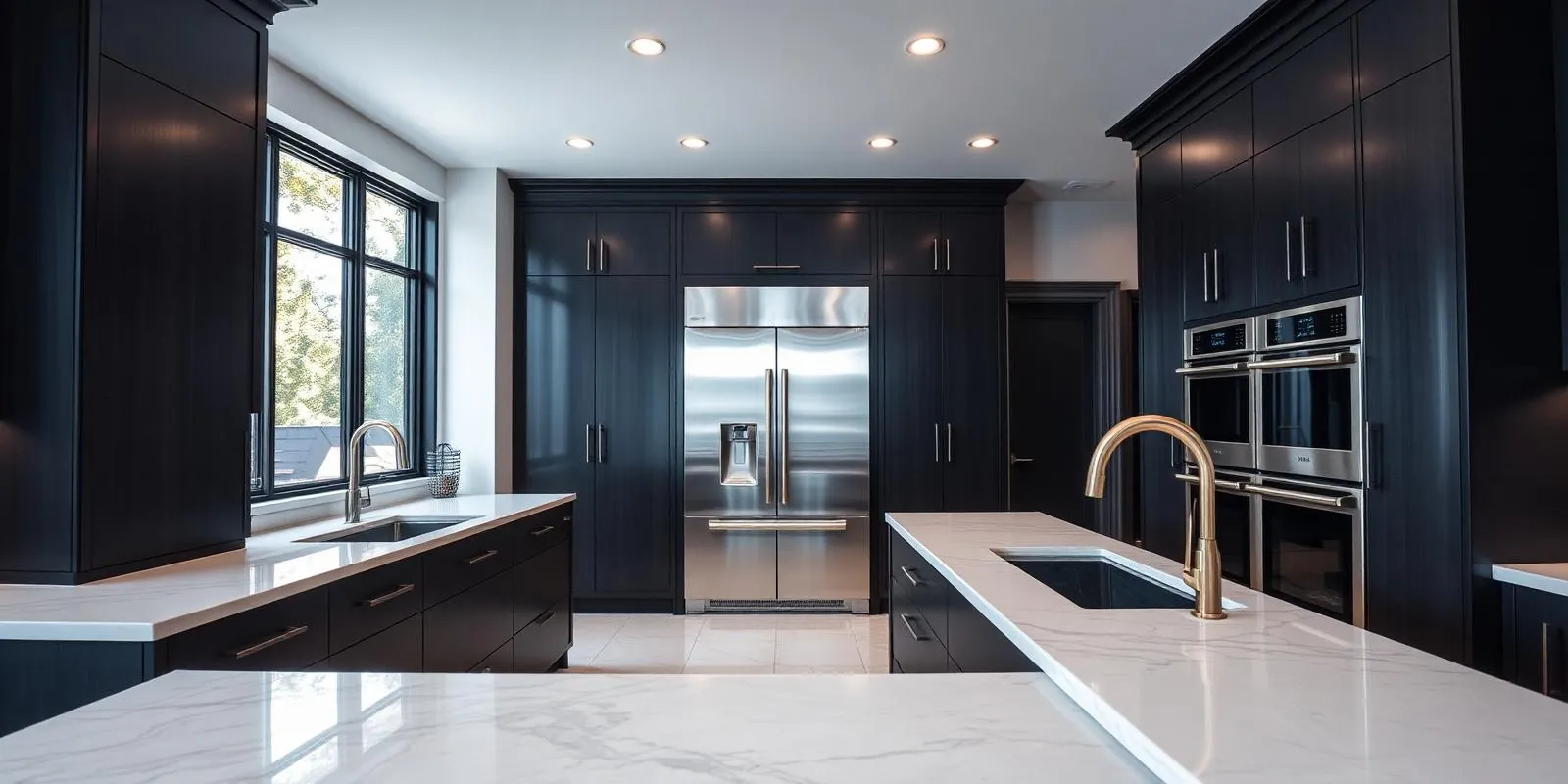
A Manhattan resident returns to their apartment after a weekend in the Hamptons only to find the digital display on their Sub-Zero flashing a service icon. The internal temperature has crept up to 45 degrees, and the high-end contents of the refrigerator are at risk. This is a common scenario in high-rise buildings across New York City where luxury appliances are subjected to specific environmental stressors.
Is the compressor failing, or is this a simple maintenance oversight? Can the unit be saved without a full component replacement? How does the unique dual-refrigeration system in these units complicate the diagnosis?
A Sub-Zero temperature problem is often the result of airflow restrictions or condenser neglect rather than a total mechanical failure.
Understanding the Dual Refrigeration System
Sub-Zero appliances differ from standard domestic units because they utilize two separate cooling systems: one for the refrigerator and one for the freezer. This design prevents the dry air of the freezer from dehydrating fresh produce and stops odor transfer between compartments. When you encounter a sub zero not cooling situation, the first step is determining if both sections are affected or just one.
If only the refrigerator side is warm while the freezer remains at zero degrees, the issue is likely isolated to the refrigerator evaporator coil, its dedicated fan, or the thermistor. If both sections are rising in temperature, the problem often lies at the source: the condenser or the main control board. In the dense living environments of Brooklyn and Queens, dust and pet hair accumulate rapidly, which can choke these high-performance systems.
The Critical Role of the Condenser Coil
In many NYC kitchens, Sub-Zero units are built into custom cabinetry with tight tolerances. The condenser coil, typically located behind the flip-up grille at the top of the unit, is the lungs of the machine. It must dissipate heat for the refrigerant to cool down.
When this coil is coated in dust, the compressor must work twice as hard to achieve the same cooling effect. This leads to "long run times" and eventually a safety shut-off. If your display shows a 'Vacuum Condenser' prompt, this is not a suggestion—it is a critical maintenance requirement.
Safety Warning: Before attempting to vacuum the condenser, you must shut off the power to the unit at the circuit breaker. High-voltage components and moving fan blades are located directly behind the grille. If you are uncomfortable accessing these components, stop and call a professional for refrigerator repair.
Common Mechanical Failures in NYC Units
Beyond simple cleaning, several mechanical issues frequently trigger a sub-zero temperature problem:
- Evaporator Fan Motor: If you hear a localized clicking or groaning noise coming from inside the cabinet, the fan responsible for circulating cold air may be failing. Without airflow, the air stays stagnant and warm even if the coils are freezing.
- Frosted Evaporator Coils: A failure in the defrost heater or timer can cause ice to build up on the coils. This ice acts as an insulator, preventing the unit from removing heat from the cabinet.
- Door Seal Integrity: In the humid summers of Manhattan, a worn magnetic door gasket allows warm, moist air to enter. This causes the unit to work overtime, often leading to premature wear on the compressor.
For residents requiring specialized Sub-Zero service, these technical diagnostics require specific pressure gauges and multimeters to verify voltage drops and refrigerant levels.
Decision Framework: Repair vs. Replace
Sub-Zero units are engineered to last 20 years or more, making them a significant investment for any NYC home. Use this checklist to decide your next step:
- Age of Unit: If the unit is under 12 years old, mechanical repairs are almost always cost-effective.
- Single vs. Dual System Failure: If only one compressor has failed, replacing it is significantly cheaper than buying a new integrated unit.
- Component Availability: Most parts for Sub-Zero models remain available for decades, unlike lower-end brands.
- Kitchen Integration: Because these are built-in, replacing the unit often requires expensive cabinetry modifications. Repairing the existing footprint is usually the preferred path for NYC residents.
Safety Warning: Never attempt to tap into refrigerant lines or service the gas-charged cooling system yourself. These tasks involve high-pressure systems and specialized recovery equipment. If you suspect a leak or a compressor failure, shut off the appliance and contact a professional immediately.
Professional Sub-Zero Repair NYC
When luxury cooling systems fail, the response must be precise. Appliance Flix provides factory-trained technicians who understand the specific needs of Brooklyn, Manhattan, Queens and NYC residents. We specialize in restoring these high-performance machines to their original specifications.
If your refrigerator is not maintaining the proper 37-degree set point, do not wait for the food to spoil. Contact Appliance Flix at 929-846-8075 or visit our contact page to schedule a diagnostic visit at our 214 41st Street, Brooklyn, NY 11232 location or in your home.