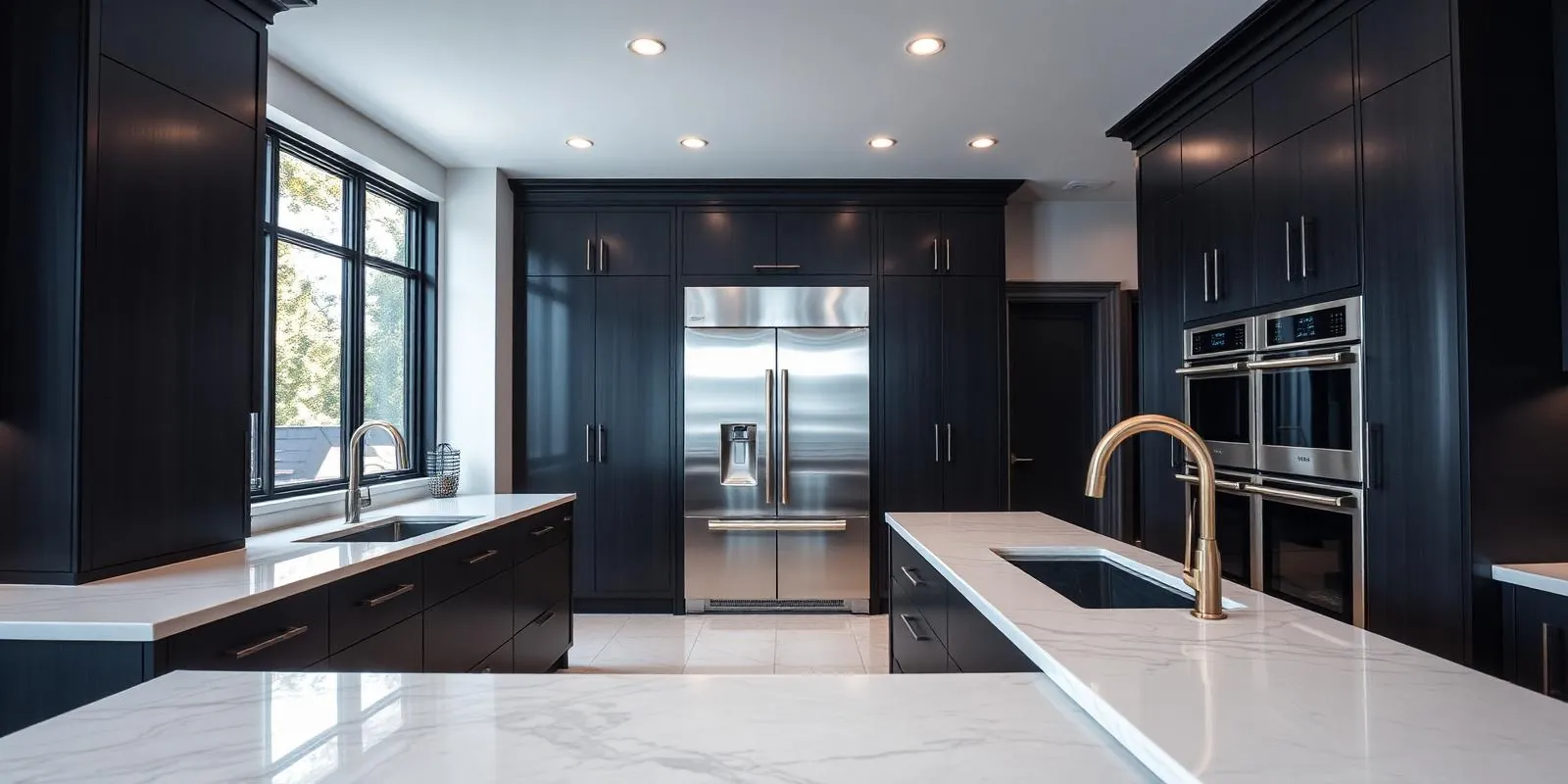
Imagine returning to your Manhattan kitchen to find the familiar, rhythmic chiming of your Sub-Zero refrigerator. You check the door, push it firmly shut, and wait. A minute later, the alarm sounds again, even though the seal appears tight. This persistent noise is more than an annoyance; it is a signal that the appliance’s monitoring system detects a breach in the cooling environment.
Why does the alarm persist when the door is physically shut? Is the issue a mechanical failure in the door itself, or is the electronic sensing system malfunctioning? How can you silence the alarm while waiting for a professional assessment?
A Sub-Zero door alarm that stays on when the door is closed typically indicates a misaligned door switch, a faulty reed sensor, or a mechanical obstruction preventing the switch from depressing fully.
Understanding the Sub-Zero Door Switch Mechanism
Sub-Zero units utilize different types of sensors depending on the specific model series. Older units often use a mechanical plunger switch located at the top or bottom of the door frame. When the door closes, it physically pushes the plunger in, breaking the circuit and telling the control board the door is secure. If this plunger is bent, stuck, or has internal electrical continuity issues, the board assumes the door is still open.
Modern built-in and integrated units frequently use magnetic reed switches. These are hidden behind the trim or within the door frame. A magnet located inside the door gasket or the door itself must align perfectly with the sensor. Even a slight sag in the door hinge—common in heavy, panel-ready NYC installations—can move the magnet out of the sensor’s range. This triggers a false "door open" signal even if the door is magnetically sealed. If you suspect a deeper cooling issue is related, you may need to look into professional refrigerator repair to verify the system's integrity.
Mechanical Obstructions and Hinge Alignment
In the dense living environments of Brooklyn and Queens, we often see Sub-Zero units packed tightly into custom cabinetry. Over time, the heavy doors of these professional-grade appliances can shift. If the door drops by even a fraction of an inch, the mechanical switch may not line up with the strike plate on the door.
Check for these physical culprits first:
- Crisper Drawers: Ensure all interior drawers are pushed completely back. A drawer protruding by half an inch can prevent the door from hitting the switch, even if the magnetic seal catches.
- Shelving Alignment: A door bin hitting an overhanging item on a shelf can prevent the final millimeter of closure needed to engage the sensor.
- Gasket Compression: Inspect the gasket for tears or bunching. A deformed gasket can create enough resistance to prevent the door from sitting flush against the frame switch.
Electrical and Control Board Issues
If the door is physically closing and the switch is being depressed, the issue may lie within the wiring or the control board itself. The door alarm is designed to protect the compressor from overworking. When the sensor fails to report a closed state, the unit may also stop the internal fans or fail to activate the dispenser lights.
Testing these internal components involves checking for continuity using a multimeter and inspecting the wiring harness that runs through the hinge. Because Sub-Zero units operate on complex electronic platforms, these diagnostics should be performed by factory-trained technicians to avoid shorting the main control board. If you are experiencing this in a high-end kitchen, seeking specialized Sub-Zero repair is the safest way to ensure the delicate electronics are handled correctly.
Safety and Temporary Silencing
Safety Warning: Before attempting to inspect any wiring or internal components, always disconnect the power to the unit at the circuit breaker. High-voltage components are located behind the top grille and within the compressor area.
Most Sub-Zero models allow you to temporarily silence the alarm by pressing the "Alarm" or "Bell" icon on the control panel. This will usually stop the chime for a set period (often 24 hours), but the "Door Open" indicator will remain lit. This is a temporary measure and does not fix the underlying cause. If the alarm is accompanied by rising temperatures, move perishable items to a secondary cooler immediately.
Repair vs. Replacement Checklist
Use this framework to determine your next steps when the alarm won't quit:
- Check the Switch: Manually press the door switch with your finger. If the lights go out and the alarm stops, the issue is door alignment or a broken strike plate.
- Inspect the Hinges: Look for loose bolts or a visible sag in the door. If the door looks crooked, it likely needs a hinge adjustment.
- Test the Gasket: Clean the gasket with warm water and mild soap. Ensure no sticky residue is preventing the door from closing that last tiny increment.
- Clear the Path: Remove all items from the door bins and try closing it. If the alarm stops, your shelving configuration was the culprit.
- Professional Diagnostic: If the alarm persists even when you manually depress the switch, the switch has failed electrically or the control board is not processing the signal.
Dealing with a constant alarm in a busy NYC household is stressful. If your door is shut but the chime won't stop, the factory-trained technicians at Appliance Flix can help. We provide expert refrigerator repair nyc services throughout Brooklyn, Manhattan, and Queens.
To schedule a diagnostic visit for your Sub-Zero, contact Appliance Flix at 929-846-8075 or visit our office at 214 41st Street, Brooklyn, NY 11232.