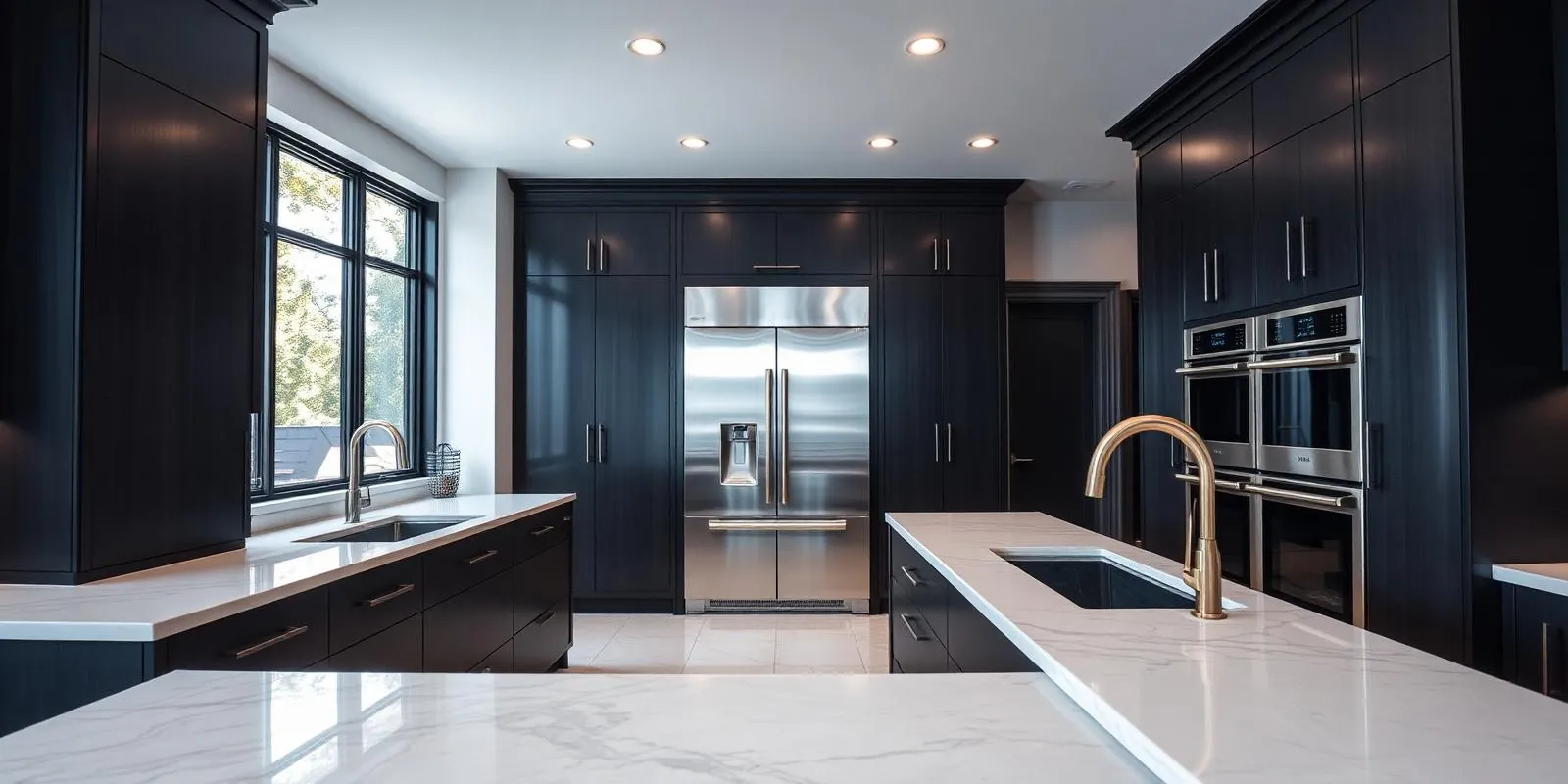

A homeowner in a Manhattan high-rise notices a pool of water under the dishwasher just as they are preparing for a dinner party. In another borough, a Brooklyn resident finds their refrigerator is running constantly but failing to stay cold. Both face the same immediate dilemma: is this a minor fix, or is the machine nearing the end of its functional life?
When a major household machine breaks down, you likely have several questions. Is it worth repairing an appliance that is over eight years old? How do I calculate if the repair cost is too high compared to a new model? Will a repair actually extend the life of the unit, or is it just a temporary fix?
The decision to repair or replace an appliance should be based on a combination of the unit's age, the specific component failure, and the fifty-percent rule of repair costs.
Understanding the 50% Rule and Depreciation
The most common benchmark used by factory-trained technicians is the 50% rule. This guideline suggests that if an appliance is more than halfway through its expected lifespan and the cost of the repair exceeds 50% of the price of a new, comparable unit, replacement is often the more logical financial choice.
In the context of NYC real estate and logistics, you must also consider the hidden costs of replacement. Unlike a suburban home with a driveway, replacing a refrigerator repair in a tight Manhattan apartment often involves elevator reservations, narrow hallways, and disposal fees. These factors may tilt the scales toward repair even if the cost is slightly higher than the 50% threshold, simply to avoid the logistical headache of a delivery.
Typical Lifespans for Major Appliances
To apply the 50% rule, you must first know the average life expectancy of the machine in question. While high-end brands like Sub-Zero or Miele are engineered to last 20 years or more, standard residential units have different profiles:
- Dishwashers: 9 to 12 years. Because they involve both high heat and water, seals and pumps are common failure points.
- Washing Machines and Dryers: 10 to 13 years. Front-load washers often require more maintenance on bellows and bearings than top-load units.
- Refrigerators: 12 to 15 years. The compressor is the heart of the unit; if it fails late in life, replacement is usually recommended.
- Gas Ranges and Ovens: 15 to 20 years. These are the most durable appliances because they have fewer moving parts than motorized machines.