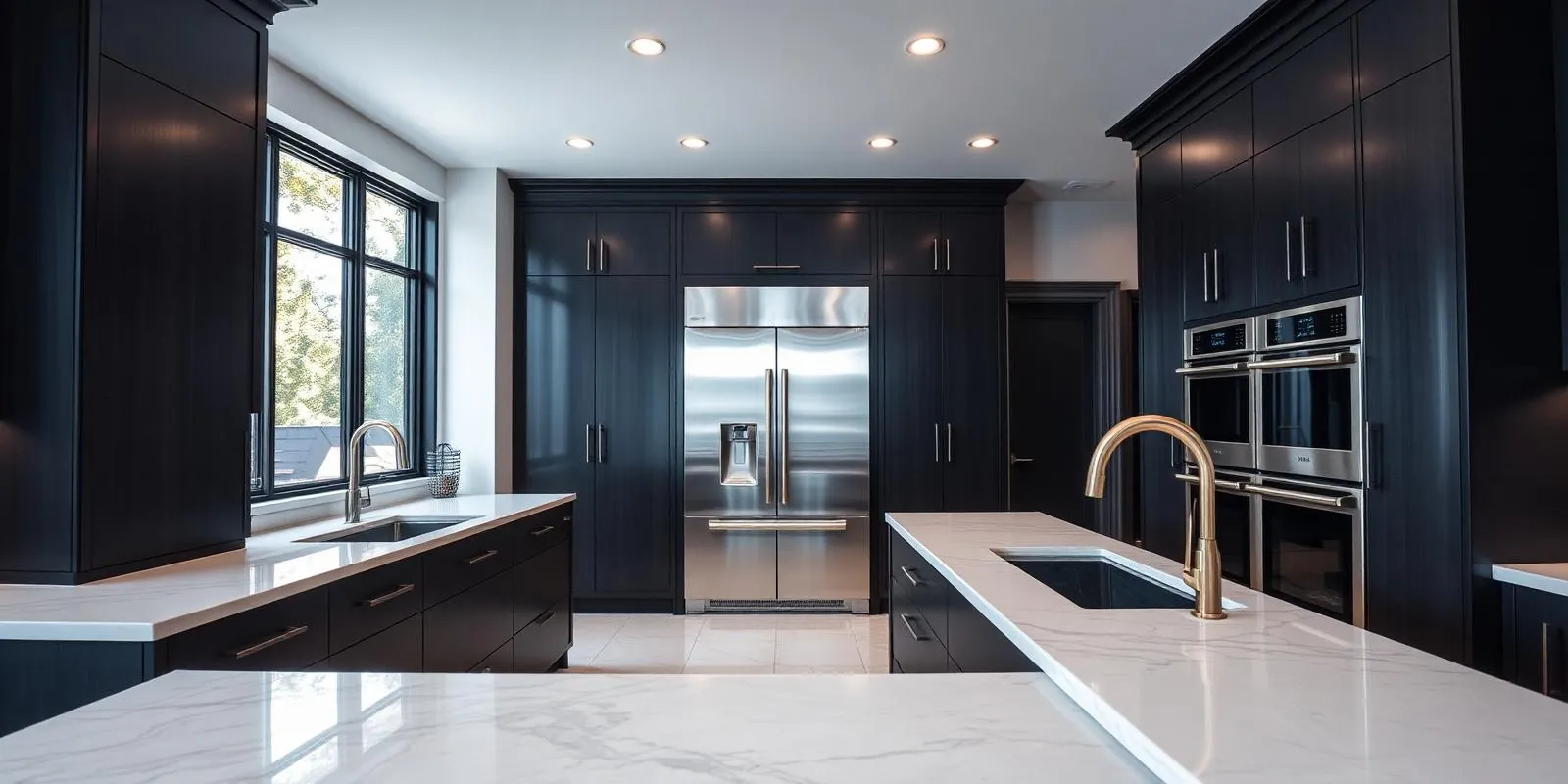

A Manhattan homeowner notices a pool of water beneath their integrated refrigerator. The unit is perfectly flush with the surrounding walnut cabinetry, and there are no visible handles or hinges to access the mechanics. In a high-end NYC kitchen, the seamless look of a custom panel appliance is the gold standard, but it presents unique challenges when a component fails.
How do you access the rear of an integrated unit without scratching custom woodwork? Can the existing door panel be reused if the appliance requires a full replacement? What specific risks are involved when moving heavy, built-in units on fragile apartment flooring?
Successful panel-ready appliance repair requires a technical understanding of both mechanical systems and the architectural integration of custom cabinetry.
The Complexity of Integrated Refrigerator Repair
Standard freestanding refrigerators are designed to be rolled out for service. In contrast, an integrated unit is often bolted to the floor or the surrounding cabinet frame to prevent tipping when the heavy wood-clad doors are opened. When performing refrigerator repair on these models, the technician must first locate the mounting brackets concealed behind the toe kick or top grille.
One of the most common issues with integrated units involves the door hinges. Because custom wood panels add significant weight—often exceeding the weight of a standard stainless steel door—the hinges are under constant stress. If the panel begins to sag or the door fails to seal, it is rarely a simple alignment issue. It often requires high-tension hinge replacement. Attempting to adjust these hinges without proper support can lead to the heavy panel falling, which poses a serious safety risk and can cause irreparable damage to the floor.
Safety Warning: Never attempt to unscrew or remove an integrated appliance from its housing alone. These units are top-heavy and secured with specific hardware. If you suspect a leak or electrical fault, shut off the power at the circuit breaker and call a professional technician.
Protecting Custom Panels and NYC Flooring
In NYC apartments, space is at a premium and flooring materials are often delicate. When a custom panel appliance needs to be pulled out for a dishwasher repair or a compressor swap, the risk to the environment is high.
Factory-trained technicians use specialized equipment, such as air sleds or high-density plastic tracks, to distribute the weight of the appliance. This prevents the feet of the unit from gouging hardwood or cracking tile. Furthermore, the custom wood panel itself must be handled with extreme care. These panels are typically attached using a sliding bracket system or a series of mounting screws hidden behind the door gasket. If the gasket is not handled correctly during the removal of these screws, the airtight seal may be compromised, leading to condensation and eventual wood rot on the back of the custom panel.