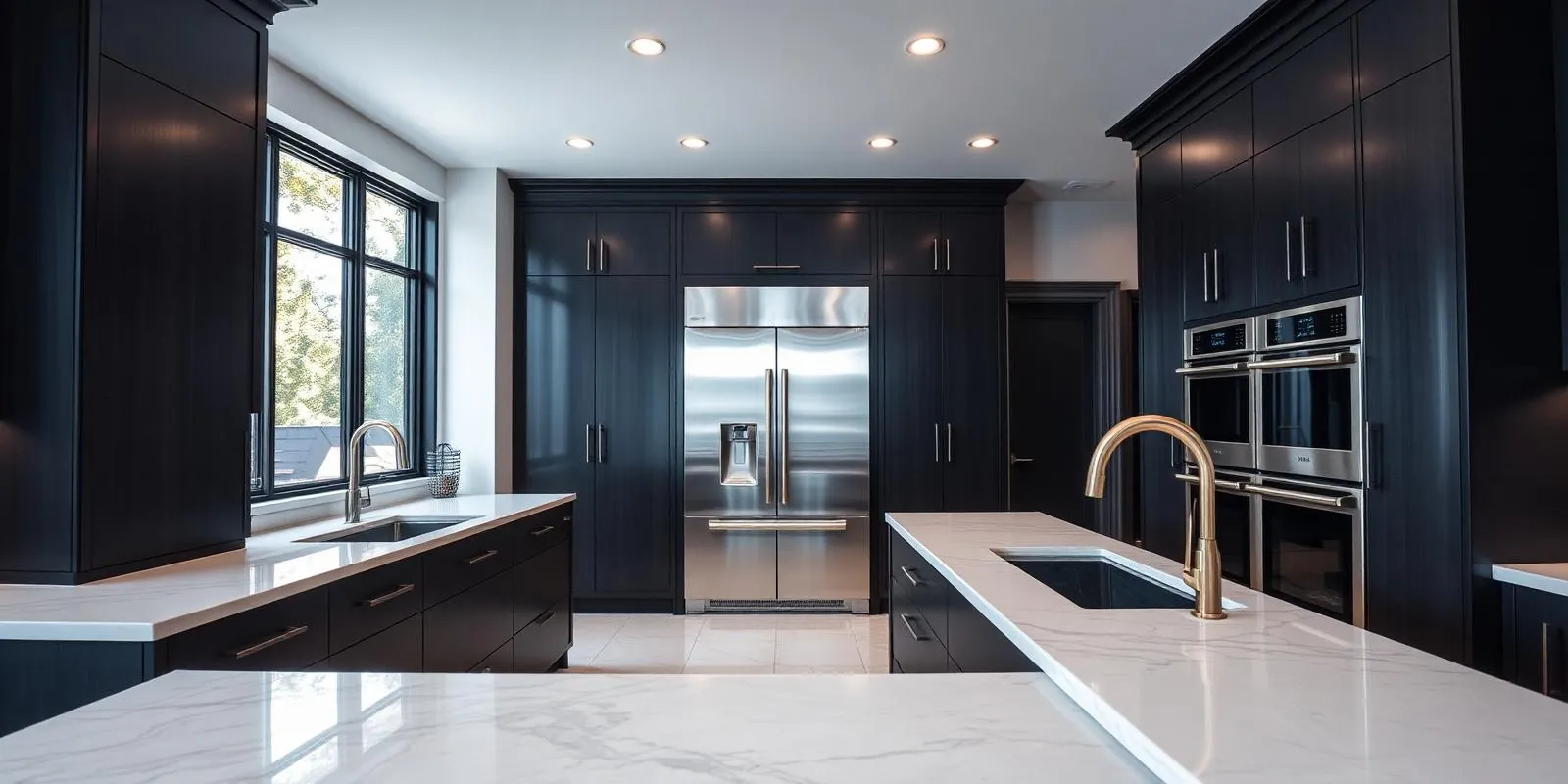
Living in a Manhattan apartment or a Brooklyn brownstone often means dealing with high-end appliances tucked into tight spaces. When a refrigerator stops cooling or a dishwasher begins to leak shortly after installation, the first instinct is to check the paperwork. However, navigating the fine print of a manufacturer warranty appliance document while your kitchen floor is covered in water can be overwhelming.
Is this specific repair covered by the manufacturer? Does the warranty include the cost of labor in NYC, or just the replacement parts? How do you distinguish between a factory defect and a common wear-and-tear issue?
Understanding the scope and limitations of your appliance warranty is essential to avoiding unexpected repair costs and ensuring your household remains functional.
The Standard Manufacturer Warranty Structure
Most major appliances sold in NYC come with a standard one-year limited warranty provided by the manufacturer. This usually covers defects in materials or workmanship. If a component fails because it was manufactured poorly, the brand typically covers both the part and the labor required for the repair during this first year.
However, there are nuances based on the brand. For high-end units, such as those covered under Sub-Zero repair or Miele repair services, you may find tiered warranties. These might cover the full unit for two years and the sealed refrigeration system or motor for five to twelve years. It is important to note that after the initial full-coverage period, many warranties shift to "parts only," meaning the homeowner is responsible for the labor costs associated with the installation.
What is Commonly Excluded from Coverage
One of the most frequent points of confusion for homeowners involves what the warranty does not cover. Warranties are designed to protect against factory errors, not environmental or usage issues. In New York City, certain local factors can lead to warranty claim denials:
- Improper Installation: If an appliance was not installed according to the manufacturer's specifications—common in cramped NYC kitchens—the warranty may be voided.
- Power Surges: NYC's aging electrical grid can cause surges. Damage to control boards caused by external power fluctuations is rarely covered by a manufacturer warranty.
- Cosmetic Damage: Scratches, dents, or chips in the finish that occur after delivery are almost never covered.
- Maintenance Issues: If a dryer vent is clogged with lint or a dishwasher filter is never cleaned, leading to a pump failure, the manufacturer may classify this as a lack of maintenance rather than a defect.
Safety Warnings and Professional Intervention
Before investigating any appliance failure, safety must be the priority. If you smell gas near your range or oven, immediately shut off the gas supply valve, open windows, evacuate the premises, and call your gas utility provider or a professional. For electrical issues, such as sparks or burning smells, shut off the circuit breaker at the main electrical panel before inspecting the unit.
High-voltage components in microwaves and the pressurized refrigerants in cooling systems are dangerous. Do not attempt to open sealed systems or handle electrical wiring yourself, as this not only poses a significant safety risk but will also immediately void your manufacturer warranty. Always contact factory-trained technicians for these complex repairs.
Navigating Warranty Claims in NYC
When an appliance fails, you must follow a specific sequence to ensure your claim is processed correctly. Start by locating your model and serial number, which are usually found on a sticker inside the door frame or behind the kickplate. You will also need your original proof of purchase or closing documents if the appliances came with a new-build condo.
If your appliance is out of its warranty period or if the manufacturer has denied a claim due to wear and tear, you will need to seek independent appliance repair NYC services. Many residents find that once the labor-coverage period expires, working with a local service provider is more efficient than navigating the manufacturer’s corporate scheduling system.
Decision Framework: Repair or Replace?
When a repair is not covered by a warranty, you must decide whether to invest in the fix or buy a new unit. Consider the following criteria:
- The 50% Rule: If the cost of the repair (labor and parts) exceeds 50% of the price of a brand-new equivalent model, replacement is often the more logical choice.
- Age of the Unit: Most modern appliances have a lifespan of 10 to 13 years. If your unit is older than 8 years and requires a major component like a compressor or motor, replacement may prevent a cycle of recurring repairs.
- Frequency of Failure: If this is the third time you have needed dishwasher repair for the same unit in two years, the machine may be a "lemon" or reaching the end of its useful life.
- Physical Condition: If the internal tubs or frames are rusting or cracked, the structural integrity is compromised, and repairs are generally not recommended.
If you are dealing with a malfunctioning appliance in Brooklyn, Manhattan, or Queens, professional diagnostic service can help clarify your options. Appliance Flix provides expert diagnostics by factory-trained technicians who understand the specific needs of NYC households. To schedule a service visit, contact Appliance Flix at 929-846-8075.